Sikh Turban Day
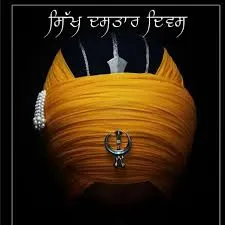
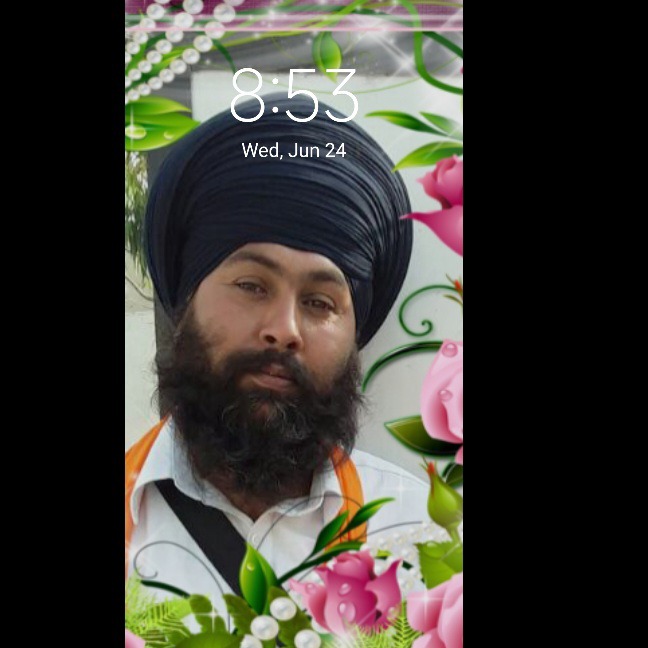
For thousands of years, the turban has held an important place in culture. In Sikh terminology, it is respectfully called Dastar. The word “Dastar” comes from Persian and means a cloth carefully tied by hand. In Sikh culture, it is a central symbol of courage, dignity, and identity. It is known by many names across cultures—pagri, safa, imama, turban, etc.
Historically, the turban has been used in regions like Arabia, Iran, and even Europe. It has long symbolized honor and prestige. In Sikhism, the Dastar is a defining identity, allowing a Sikh to be recognized even among thousands. From the time of Guru Nanak and subsequent Gurus, it has held great importance.
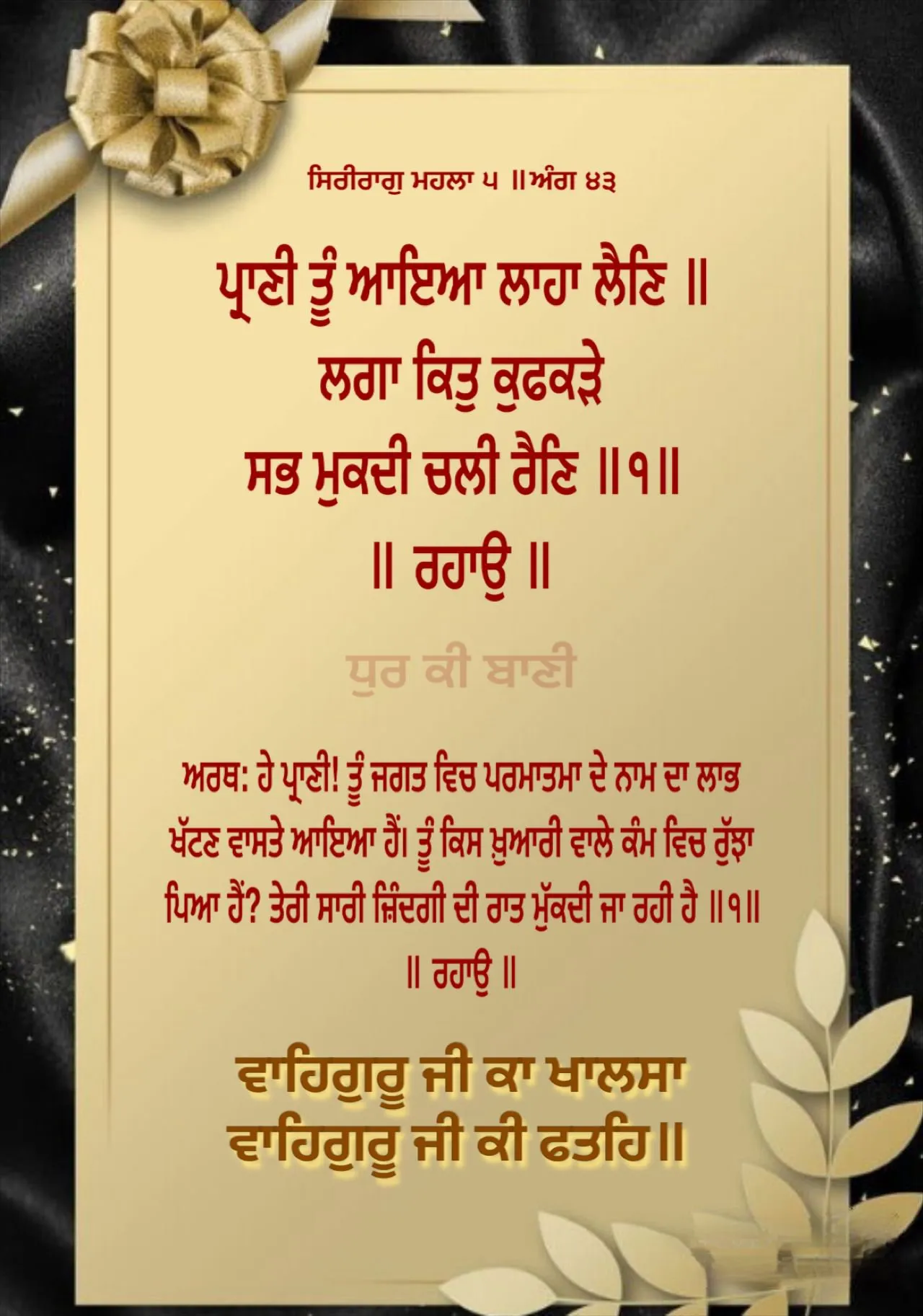
The Guru Granth Sahib instructs Sikhs to maintain their natural form and wear a Dastar. Guru Arjan Dev also praised the significance of the turban.
In South and West Asia and North Africa, covering the head has been a long-standing tradition. In Punjab, the turban represents self-respect, confidence, and responsibility. The custom of exchanging turbans symbolizes deep brotherhood and relationships.
In Sikhism, the Dastar holds the highest religious and social value. While it was important from the time of the first five Gurus, during the time of Guru Hargobind Sahib, Mughal emperor Jahangir banned non-Muslims from wearing turbans. In response, the Guru instructed Sikhs to wear two turbans (Dumala), symbolizing sovereignty and self-respect.
Later, Guru Gobind Singh made the turban mandatory for every Sikh during the establishment of the Khalsa in 1699. It became an essential part of Sikh identity and helped protect the uncut hair (Kes), one of the Five Ks.
Rehatnamas clearly instruct Sikhs to bathe daily, comb their hair, and tie a turban properly. The Dastar is a symbol of honor—a Sikh neither allows his own turban to fall nor disrespects another’s.
Throughout history, Sikhs have resisted attempts to suppress the turban. Movements like “Pagri Sambhal Jatta” and resistance during British rule are examples. Sikh soldiers even refused to wear helmets.
Globally, Sikhs have fought legal battles in countries like the UK, Canada, the USA, and France to protect their right to wear the turban. Many have succeeded in securing these rights.
However, today it is concerning that while Sikhs abroad struggle to preserve this identity, some youth are abandoning it. This poses a threat to cultural heritage.
It is the duty of every Sikh to understand and uphold the importance of the Dastar.
“Without a crown there is no king; without a Dastar there is no Singh.”
Every year, April 13 is celebrated as World Turban Day to spread awareness among the younger generation.
Join the conversation
Sign in to comment or join the discussion.


Loading comments…