Miri Piri Divas (Sri Guru Harigobind ji)
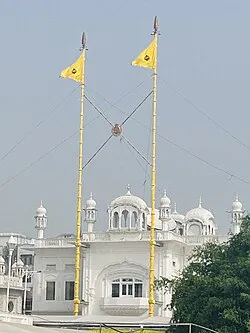
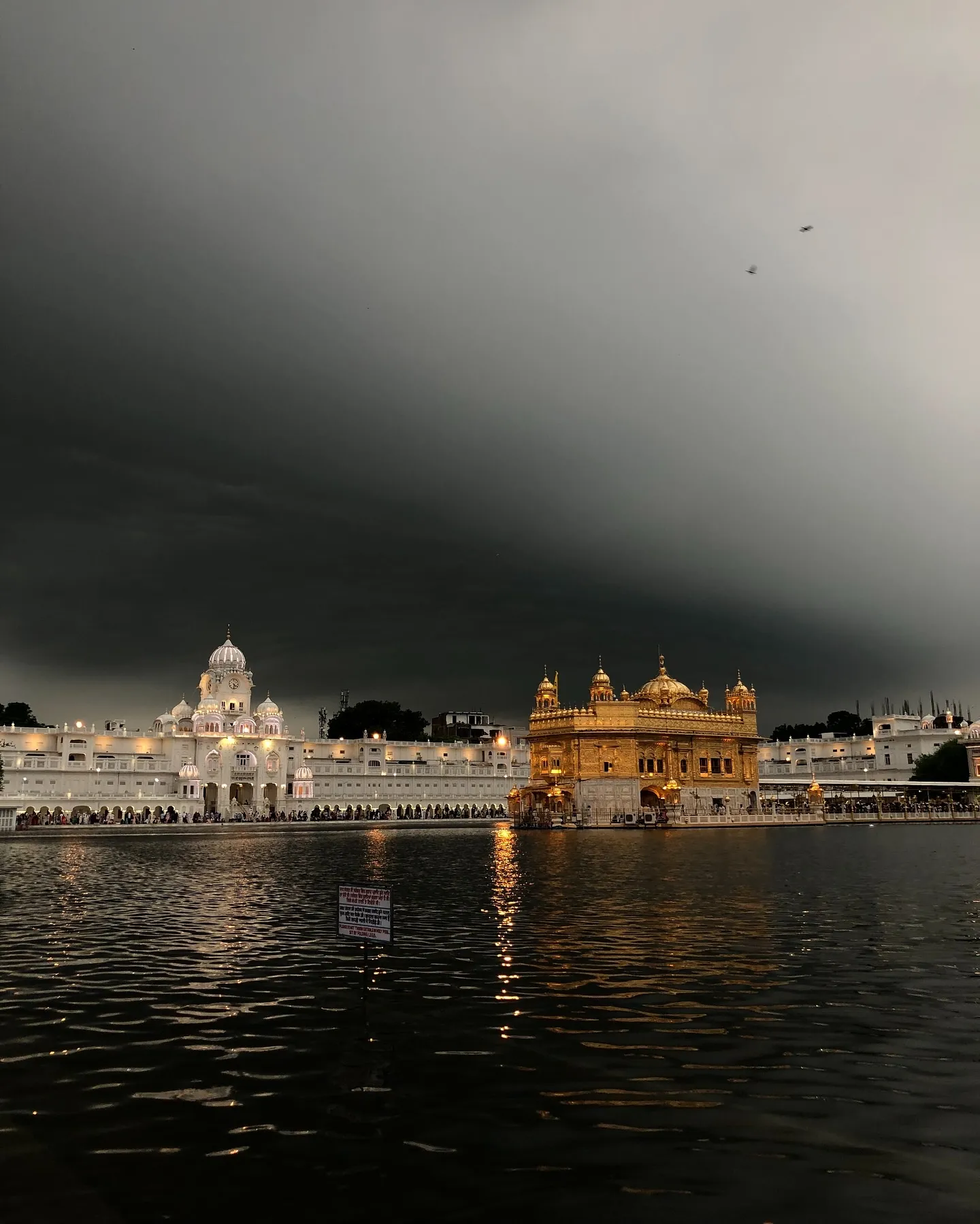
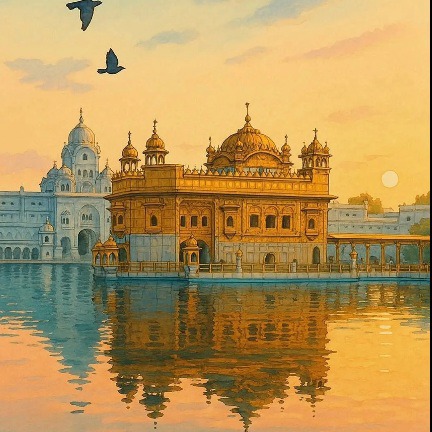
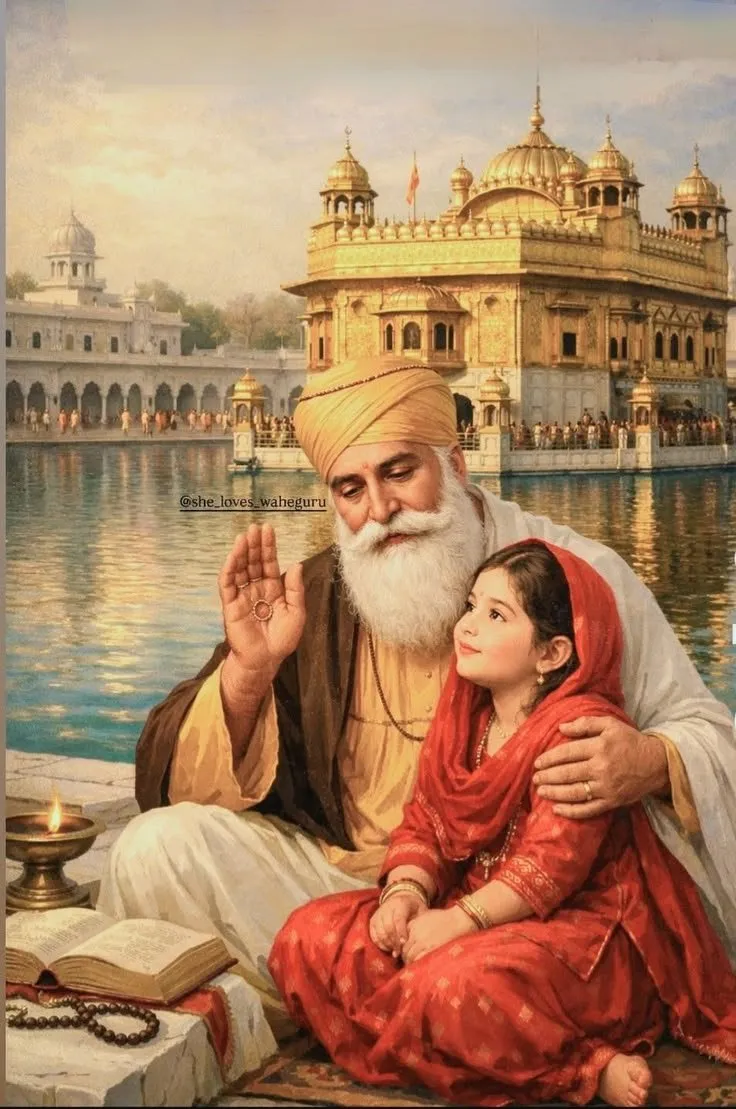
Miri-Piri Diwas marks a pivotal turning point in Sikh history, signifying the formal blend of spiritual authority and temporal power.The Historical ContextIn 1606, the brutal martyrdom of the fifth Sikh Guru, Guru Arjan Dev Ji, under the orders of Mughal Emperor Jahangir, altered the course of the Sikh faith. It became clear that peaceful resistance alone was no longer enough to protect the innocent from tyranny and religious oppression.The Coronation and Two SwordsWhen the young Guru Hargobind Sahib Ji (the sixth Guru) ascended the Guru Gaddi (spiritual throne) at the age of 11, he departed from traditional customs:He declined to wear the traditional seli (woolen cord worn by earlier Gurus).Instead, he asked for a sword. When donning it, he requested a second sword as well.The Sword of Piri: Worn on the right side, symbolizing spiritual authority, inner peace, and divine knowledge.The Sword of Miri: Worn on the left side, symbolizing temporal authority, political sovereignty, and the duty to fight oppression.Core Concept and ImpactGuru Hargobind Sahib Ji explicitly stated, "My rosary shall be my sword-belt, and on my turban, I shall wear the emblem of royalty." He established the Sri Akal Takht Sahib (the Throne of the Almighty) directly opposite the Sri Harmandir Sahib (Golden Temple) in Amritsar.Harmandir Sahib remained the center for spiritual reflection (Piri).Akal Takht Sahib became the seat for political affairs, justice, and military planning (Miri).This day laid the foundation for the "Saint-Soldier" (Sant-Sipahi) ideal, which was later fully formalized into the Khalsa Panth by the tenth Guru, Guru Gobind Singh Ji.
Join the conversation
Sign in to comment or join the discussion.


Loading comments…