

Jyoti jyot Gurpurab Sri Guru Ramdas ji
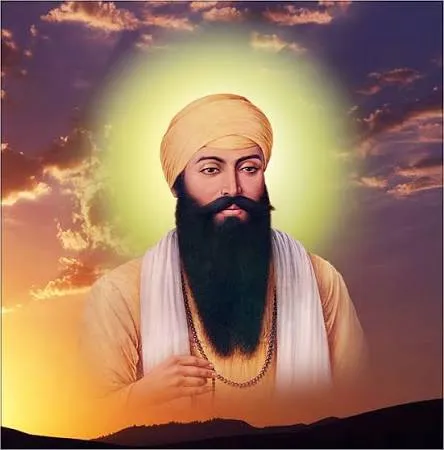
On the Joti Jot Gurpurab of Dhan Dhan Sri Guru Ram Das Ji, we bow with deep reverence to Guru Sahib's life of humility, seva, devotion and love for the Divine.**
Sri Guru Ram Das Ji, the Fourth Sikh Guru, holds a deeply respected place in Sikh history. His life stands as an extraordinary example of humility, selfless service, Naam Simran, devotion and complete dedication to the Guru.
The Joti Jot Gurpurab of Sri Guru Ram Das Ji is an occasion to remember Guru Sahib's spiritual legacy and the remarkable contributions he made to the Sikh Panth.
## Early Life of Sri Guru Ram Das Ji
Sri Guru Ram Das Ji was born on September 24, 1534, at Chuna Mandi in Lahore. In childhood, he was known as Bhai Jetha Ji.
His parents were Baba Hari Das Ji and Mata Daya Kaur Ji. Guru Sahib lost his parents at a young age and later moved with his maternal grandmother to Basarke.
Despite difficult circumstances, young Bhai Jetha Ji remained hardworking, humble and spiritually inclined.
He later came to Sri Goindwal Sahib, where he joined the congregation of Sri Guru Amar Das Ji and devoted himself wholeheartedly to the seva of the Guru's house.
## Marriage to Bibi Bhani Ji
Bhai Jetha Ji married Bibi Bhani Ji, the daughter of Sri Guru Amar Das Ji.
After marriage, he continued serving the Guru's household with great humility and dedication. He also accompanied Guru Amar Das Ji on missionary journeys and remained actively involved in the growing Sikh community.
Bibi Bhani Ji and Guru Ram Das Ji had three sons: Prithi Chand Ji, Mahadev Ji and Sri Guru Arjan Dev Ji.
## Becoming the Fourth Nanak
Sri Guru Amar Das Ji recognised Bhai Jetha Ji's devotion, humility, ability and commitment to the Sikh mission.
On September 1, 1574, he was installed as the Fourth Nanak and became known as Sri Guru Ram Das Ji.
As the Fourth Guru, he continued the spiritual mission established by Sri Guru Nanak Dev Ji and strengthened by the preceding Gurus.
## Ramdaspur and the Foundation of Amritsar
One of Guru Ram Das Ji's most important historical contributions was the establishment of Chak Ramdas, also known as Ramdaspur, which later developed into the city of Amritsar.
Guru Sahib encouraged merchants, artisans and people from different professions to settle in the new township, helping it develop into an important community and commercial centre.
Guru Sahib also continued work on the Santokhsar Sarovar and later concentrated on the excavation of the Amritsar Sarovar. Baba Buddha Ji and Bhai Salho Ji were entrusted with supervision of this work.
In the centuries that followed, Amritsar became one of the most important spiritual centres of the Sikh faith.
## The Sacred Four Laavan
Sri Guru Ram Das Ji blessed humanity with an invaluable treasury of Gurbani.
Among Guru Sahib's best-known compositions are the Four Laavan, which form the spiritual centre of the Sikh Anand Karaj marriage ceremony.
The Laavan go far beyond describing a worldly relationship between husband and wife. At a deeper spiritual level, they describe the journey of the soul towards union with the Divine.
According to SGPC's historical account, 638 hymns and compositions of Sri Guru Ram Das Ji in 30 Raags are included in Sri Guru Granth Sahib Ji.
## An Example of Humility and Seva
Humility and seva remained at the heart of Guru Ram Das Ji's life.
Guru Sahib continued the institution of Guru Ka Langar and opposed caste distinctions, superstition and discrimination.
His life teaches us that true greatness does not come from position or material wealth. It comes through humility, devotion, service and surrender to the Divine Will.
## Passing the Guruship to Sri Guru Arjan Dev Ji
Before his Joti Jot, Sri Guru Ram Das Ji appointed his youngest son, Sri Guru Arjan Dev Ji, as the Fifth Nanak.
After entrusting the responsibility of Guruship to Guru Arjan Dev Ji, Guru Ram Das Ji left Amritsar and returned to Sri Goindwal Sahib.
## Joti Jot of Sri Guru Ram Das Ji
According to SGPC's historical account, Sri Guru Ram Das Ji merged with the Eternal Light at Sri Goindwal Sahib on **Bhadon Sudi 3, 2 Assu, Bikrami Samvat 1638 — September 1, 1581 CE.**
Although Guru Sahib's physical journey in this world came to an end, his Gurbani, teachings and spiritual legacy continue to guide millions of people.
His contribution can still be experienced through Gurbani, the tradition of seva, the sacred Laavan and the spiritual city of Sri Amritsar Sahib.
## The Message of Joti Jot Gurpurab
The Joti Jot Gurpurab of Sri Guru Ram Das Ji is not simply a remembrance of a historical date. It is an opportunity to reflect on Guru Sahib's life and bring his teachings into our own lives.
Guru Sahib teaches us the importance of humility, selfless service, Naam Simran, love for Gurbani and acceptance of Hukam.
On this sacred occasion, let us strive to reduce ego, serve others without discrimination and strengthen our relationship with Gurbani.
May we live with compassion, humility and love, and always pray for **Sarbat da Bhala — the welfare of all.**
**On the Joti Jot Gurpurab of Dhan Dhan Sri Guru Ram Das Ji, we offer countless salutations at the sacred feet of Guru Sahib.**
**Waheguru Ji Ka Khalsa ॥ Waheguru Ji Ki Fateh ॥**
Join the conversation
Sign in to comment or join the discussion.


Loading comments…