

Jyoti jyot Gurpurab Sri Guru Amardas ji
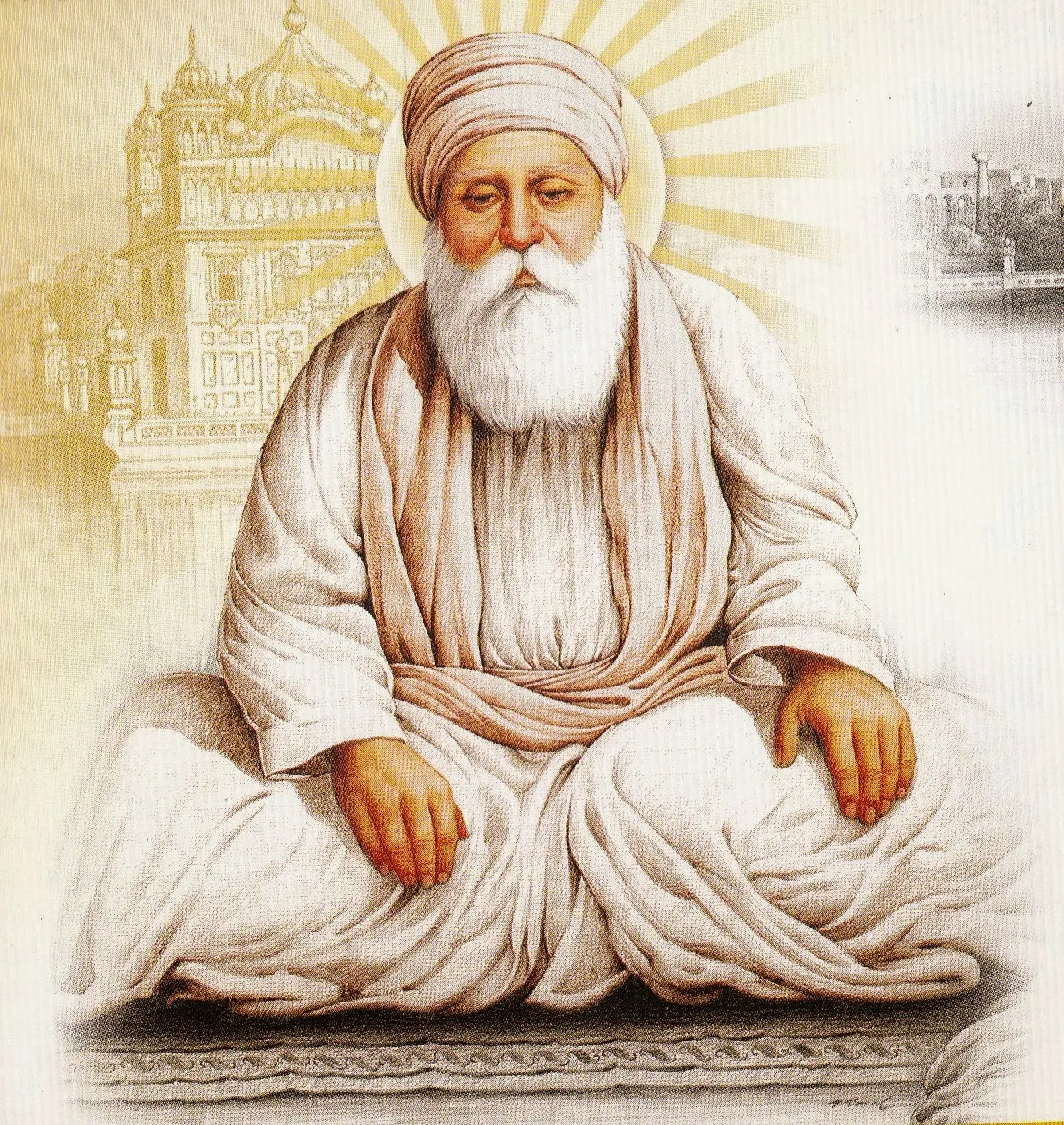
The era of Sri Guru Amar Das Ji represents an important milestone in the history of Sikhism.
The period of Guru Amar Das Ji's Guruship, from 1552 CE to 1574 CE, was a significant era of growth, consolidation and expansion for the Sikh faith.
Sri Guru Nanak Dev Ji had laid the foundation of Sikhism, and Sri Guru Angad Dev Ji continued the work required to strengthen and develop that foundation. Sri Guru Amar Das Ji carried these efforts forward and brought many of them to a mature and organised form.
Regarding the contribution of Sri Guru Amar Das Ji to Sikhism, Dr. Indu Bhushan Banerjee writes:
“Under Sri Guru Amar Das Ji, Sikhism developed a distinct identity of its own. Sikhism acquired the character of a separate institution, and new customs and practices began to replace older rituals and traditions.”
When Sri Guru Amar Das Ji assumed the Guruship, one of the greatest challenges before him was to preserve the Sikh movement initiated by Sri Guru Nanak Dev Ji and to carry it further.
Sri Guru Nanak Dev Ji had travelled extensively across different regions and countries, awakening people and challenging the conditions of his time.
He raised a powerful voice against religious hypocrisy, social injustice and political oppression.
On the one hand, Guru Nanak Sahib warned people against hypocritical religious figures and oppressive systems; on the other, he taught them a new and spiritually meaningful way of life.
To dismantle what is harmful and to build something better in its place is the dual responsibility of every true reformer.
Sri Guru Nanak Sahib Ji's field of activity was extremely wide.
Wherever he travelled, he sowed the seeds of a new spiritual and social consciousness. In many places, he established representatives and devoted companions who could guide the local Sangat and help those teachings continue to grow.
Sri Guru Amar Das Ji preserved the image, spirit and mission of Sri Guru Nanak Sahib Ji with his full ability and devotion.
By the time of Guru Amar Das Ji, however, the people of Punjab had become much more deeply acquainted with the Sikh movement than they had been in earlier years.
Small groups of Sikhs had already begun to emerge in different places.
Sri Guru Amar Das Ji therefore had the responsibility of giving proper direction to the developing collective form of the movement begun by Sri Guru Nanak Dev Ji.
During the Guruship of Sri Guru Amar Das Ji, the institutional structure and organised form of Sikhism became increasingly clear and developed.
Introducing new principles and institutions into society is one of the important responsibilities of wise and visionary leadership.
Sri Guru Amar Das Ji served as Guru continuously for 22 years, from 1552 CE until 1574 CE.
Among the major developments associated with his Guruship were the organisation of the Sikh Sangat, the creation of Baoli Sahib, efforts against caste discrimination, opposition to the practice of Sati, the establishment of twenty-two Manjis for the propagation of Sikh teachings, the spreading of Gurbani, and the conception of what would later become the city of Sri Amritsar.
These initiatives demonstrate the breadth, relevance and creative strength of Guru Sahib's vision.
According to G. S. Chhabra:
“During the time of Sri Guru Amar Das Ji, the sphere of Sikhism was expanding day by day. Keeping this objective in mind, Sri Guru Amar Das Ji divided the Sikh world into 22 regions and appointed capable and prominent Sikhs in these areas for the propagation of Sikh teachings.
When a Gursikh was appointed as a preacher by Satguru, it was said that he had been blessed with a ‘Manji’.
Since those who preached Sikh teachings generally addressed the Sangat while seated upon a manji, the word ‘Manji’ came to be used for such preachers from the time of Guru Sahib.”
Bhai Gurdas Ji also uses the word “Manji” in his Vaars in reference to Sri Guru Nanak Dev Ji:
**ਫਿਰਿ ਬਾਬਾ ਆਇਆ ਕਰਤਾਰਪੁਰਿ। ਭੇਖੁ ਉਦਾਸੀ ਸਗਲ ਉਤਾਰਾ।
ਪਹਿਰਿ ਸੰਸਾਰੀ ਕਪੜੇ ਮੰਜੀ ਬੈਠਿ ਕੀਆ ਅਵਤਾਰਾ।
(ਵਾਰ ੧:੩੮)**
The primary purpose behind the establishment of the Manji system was to spread the teachings of Guru Sahib through appointed preachers working in their respective regions.
Their major responsibilities included establishing Dharamsalas, maintaining the traditions of Kirtan, Katha and Langar, and delivering offerings received in the Guru's name to the Guru's centre on occasions such as Diwali, Vaisakhi or other important gatherings.
These representatives served as an important link between the local Sangat and Guru Sahib.
Through this organised network, instructions and Hukamnamas issued by the Gurus could reach Sikhs living in distant regions.
The establishment of such an organised system, while keeping the Sikh movement separate from the complexities of ritualism, proved to be a major milestone in Sikh history.
In the words of Sri Niranjan Ray:
“This step of linking the widely dispersed Sikh community with a central authority and organising it may be regarded as the beginning of Sikh political power.”
**The remaining part will continue in the next section…**
Join the conversation
Sign in to comment or join the discussion.
Jyoti Jyot Gurpurab of Sri Guru Amar Das Ji — Part 2
The establishment of the twenty-two Manjis not only increased the spread of Sikh teachings and strengthened Sikh organisation, but also helped develop a distinct discipline and…
Continue in the Nitnama app
Loading comments…