

Birth of Bhai Lalo Ji
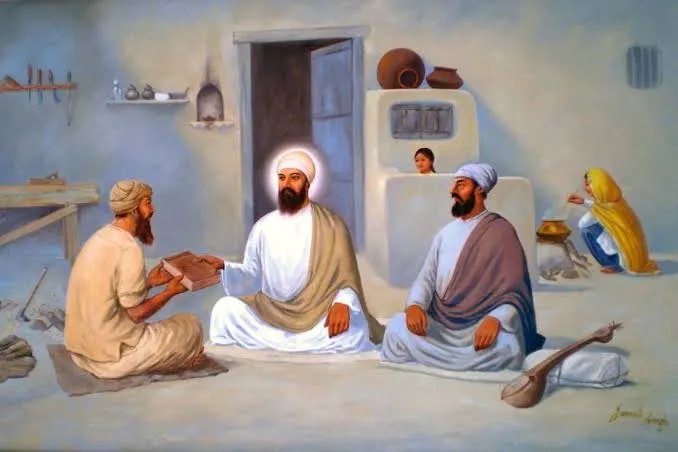
Bhai Lalo Ji was born on 24 September 1452. Let us take a brief look at the life and history of this devoted Sikh.
Bhai Lalo Ji was known as a true and honest worker who earned his living through sincere labour.
He was born on 24 September 1452 in Saidpur, later known as Eminabad, in present-day Pakistan.
His father, Bhai Jagat Ram Ji, belonged to a carpenter family and earned an honest living through carpentry, supporting himself and his family through hard work.
Bhai Lalo Ji followed the same path as his father.
He earned his livelihood through the labour of his own hands and used part of his income to help those in need. He also served food and water to the poor and needy.
Bhai Lalo Ji had no son. He had one daughter, Bibi Rajo Ji, whose descendants are traditionally said to have later lived in Tatla village.
His wife is also remembered as a woman who followed a disciplined and religious way of life.
Bhai Lalo Ji is believed to have met Sri Guru Nanak Sahib Ji during Guru Sahib's First Udasi, sometime between approximately 1507 and 1514.
## Meeting with Sri Guru Nanak Sahib Ji
There is not a great deal of detailed information about Bhai Lalo Ji available in historical writings.
His name appears most prominently in connection with the time when Guru Nanak Sahib Ji came to Eminabad.
When certain people, frustrated with the rule of the Lodis, invited Babur to invade India, Guru Nanak Sahib Ji came to the region.
During the First Udasi, Guru Sahib visited this area to guide the Sangat and spiritually prepare people for the difficult times ahead.
It is in this setting that Bhai Lalo Ji becomes an important figure in Sikh tradition.
Principal Satbir Singh writes in his book *Balio Chirag* that when Guru Sahib arrived at Saidpur, he established his resting place outside the village.
The land there was rough and covered with stones, but with the arrival of Guru Sahib it became spiritually honoured.
In the same town lived a carpenter whose simple and sincere personality attracted the attention of Guru Sahib.
One day, Bhai Lalo Ji was making wooden pegs.
Guru Nanak Sahib Ji asked him:
“Will you spend your entire life only making pegs?”
Bhai Lalo Ji understood the deeper meaning behind Guru Sahib's words.
A spiritual awareness awakened within him.
Anyone can spend a lifetime working simply to support themselves, but to combine honest labour with **Naam Japna, Vand Chhakna and service of the Sadh Sangat** is a blessing received by the fortunate.
Through the company of Guru Sahib, a spiritual light was awakened within Bhai Lalo Ji, and in time he helped kindle that same light in many other hearts.
## Challenging Caste Discrimination
When Guru Nanak Sahib Ji began staying at Bhai Lalo Ji's home, Bhai Lalo Ji was conscious that society regarded him as belonging to a so-called lower caste.
Out of this social conditioning, he prepared a separate cooking place for Guru Sahib.
Guru Nanak Sahib Ji refused to have food prepared separately in this way, seeking to remove the sense of inferiority created by caste discrimination from Bhai Lalo Ji's mind.
Guru Sahib taught that the kitchen and home of one who loves truth are already pure.
Guru Nanak Sahib Ji teaches in Gurbani:
**ਨੀਚਾ ਅੰਦਰਿ ਨੀਚ ਜਾਤਿ ਨੀਚੀ ਹੂ ਅਤਿ ਨੀਚ ॥
ਨਾਨਕ ਤਿਨ ਕੈ ਸੰਗਿ ਸਾਥਿ ਵਡਿਆ ਸਿਓ ਕਿਆ ਰੀਸ ॥
ਜਿਥੈ ਨੀਚ ਸਮਾਲੀਅਨਿ ਤਿਥੈ ਨਦਰਿ ਤੇਰੀ ਬਖਸੀਸ ॥**
The essence of these lines is that Guru Nanak Sahib identifies himself with those whom society considers the lowest and teaches that Divine Grace is present where such people are cared for and respected.
## A Living Example of Honest Labour
Among the three fundamental principles traditionally associated with Guru Nanak Sahib Ji—**Kirat Karo, Vand Chhako and Naam Japo**—Bhai Lalo Ji stands out as a powerful example of honest and righteous labour.
He earned through honest work and remained thankful to Akaal Purakh even while eating simple food.
At that time, many rulers and religious leaders exploited ordinary people.
The poor were crushed under forced labour, heavy demands and oppression.
Brahmins, Pandits, Maulvis and Qazis often imposed various rituals upon ordinary people and extracted money and offerings from them.
Guru Nanak Sahib Ji wanted to awaken people and free them from such exploitation and injustice.
In Bhai Lalo Ji, Guru Sahib recognised purity, patience and fearlessness.
Guru Sahib saw in him someone capable of continuing this work and carrying the message forward after Guru Sahib moved on.
Guru Nanak Sahib Ji therefore stayed at Bhai Lalo Ji's home for several days.
During this time, Guru Sahib guided people and worked to remove the sense of inferiority from those who had been labelled as belonging to lower castes.
Gradually, Bhai Lalo Ji's home became a **Dharamsala and an important centre for Naam, spiritual guidance and inner upliftment**.
Bhai Lalo Ji became a leading sevadar of this growing spiritual centre.
**The remaining part will continue in the next section…**
Join the conversation
Sign in to comment or join the discussion.
Birth of Bhai Lalo Ji — Part 2
In Saidpur lived a wealthy man named Malik Bhago. He performed a ritual feast in memory of his parents and invited the entire village to attend.…
Continue in the Nitnama app
Loading comments…