
Gurgaddi Gurpurab Sri Guru Harikrishan ji
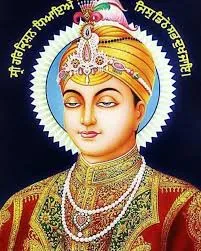
Guruship Day: Sri Guru Har Krishan Sahib Ji
Mother: Mata Krishan Kaur Ji
Father: Sri Guru Har Rai Sahib Ji
Date of Birth (Parkash): 8 Sawan, Samvat 1713 Bikrami (July 7, 1656 CE)
Place of Birth: Kiratpur Sahib, Rupnagar District, Punjab
Date of Guruship (Gurgaddi): 6 Katak, Samvat 1718 Bikrami (October 7, 1661 CE)
Date of Joti Jot: 3 Vaisakh, Samvat 1721 Bikrami (March 30, 1664 CE)
Place of Joti Jot: Delhi
Childhood of Guru Sahib Ji
Sri Guru Har Krishan Sahib Ji had a charming and beautiful face and a gentle, compassionate heart.
His childhood was spent under the guidance and supervision of his father, Sri Guru Har Rai Sahib Ji.
As a result, the divine qualities and spiritual virtues of Guru Sahib Ji became an inseparable part of his personality and life.
Sri Guru Har Rai Sahib Ji's Rejection of His Elder Son
Ram Rai Ji, the elder brother of young Har Krishan Ji, was highly intelligent, politically skilled, and respected among Sikh congregations and Masands.
When Mughal Emperor Aurangzeb summoned Sri Guru Har Rai Sahib Ji to Delhi, Guru Sahib Ji sent his elder son, Ram Rai, in his place to explain the principles and teachings of Gurmat.
Initially, Ram Rai greatly impressed Emperor Aurangzeb with his intelligence and abilities. Later, he also demonstrated miraculous powers.
Eventually, at the suggestion of Muslim religious scholars, Aurangzeb questioned Ram Rai about a verse in the Sikh scripture.
The emperor asked why the scripture contained the words, "Mitti Musalman Ki Perai Pai Kumiar," which he interpreted as criticism of Islam.
In an attempt to maintain his influence over the emperor and please him, Ram Rai replied that the actual words were "Mitti Beimaan Ki Perai Pai Kumiar" and that the word "Musalman" had appeared because of a scribe's mistake.
This alteration of the sacred words of Gurbani was considered a serious act of disobedience.
When Sri Guru Har Rai Sahib Ji learned of the incident, he became deeply displeased with Ram Rai.
As a result, Guru Sahib Ji deprived Ram Rai of the right to succeed to the Guruship and permanently rejected him.
Bestowal of the Guruship
In October 1661 CE, Sri Guru Har Rai Sahib Ji bestowed the Guruship upon his younger son, Sri Har Krishan Ji, based on his spiritual qualities and worthiness.
Because of this decision, Ram Rai continued to oppose Guru Har Krishan Sahib Ji.
After receiving the Guruship, Sri Guru Har Krishan Sahib Ji remained at Kiratpur Sahib, where he continued spreading the teachings of Sikhism and guiding the Sikh community, following the traditions established by the previous Gurus.
Sikh devotees travelled from distant places to receive Guru Sahib Ji's darshan.
Guru Sahib Ji blessed the congregations with the teachings of Naam Simran, guiding them toward the righteous path.
Ram Rai's Complaint to Emperor Aurangzeb
Ram Rai, the elder brother of Guru Har Krishan Sahib Ji, approached Emperor Aurangzeb with a complaint.
He claimed that his father had denied him his rightful inheritance and had instead handed over the Guruship and family property to his younger brother.
Ram Rai further alleged that this had happened because he had obeyed the emperor's commands.
Upon hearing the complaint, Aurangzeb ordered Raja Jai Singh to summon Guru Har Krishan Sahib Ji to Delhi.
Raja Jai Singh sent his Diwan, Paras Ram, to respectfully escort Guru Sahib Ji to the imperial capital.
Diwan Paras Ram travelled to Kiratpur Sahib and requested Guru Sahib Ji to visit Delhi.
Guru Sahib Ji replied that he had no objection to visiting Delhi but would not meet or look upon the face of an emperor like Aurangzeb.
After consulting his mother and the Sikh congregation, Guru Sahib Ji finally decided to travel to Delhi.
When Guru Sahib Ji prepared to leave Kiratpur Sahib, a large number of Sikh devotees gathered to see him off.
Guru Sahib Ji comforted everyone and encouraged them to remain patient and courageous.
Despite his reassurance, hundreds of Sikhs began accompanying him on the journey.
Upon reaching the town of Panjokhra in the Ambala district, Guru Sahib Ji instructed most of the congregation to return home, allowing only a few prominent Sikhs to continue accompanying him.
Breaking the Pride of Pandit Lal Chand
During his journey to Delhi, Guru Har Krishan Sahib Ji spent the first night at Panjokhra.
There, an arrogant Brahmin scholar named Lal Chand came to meet him.
The Pandit said, "The Sikhs call you Guru Har Krishan. Lord Krishna of the Dvapara Yuga composed the Bhagavad Gita. If you are truly Har Krishan, then explain the meanings of the Gita."
Guru Sahib Ji, who embodied the humility inherited from the spiritual house of Sri Guru Nanak Dev Ji, replied:
"We are merely servants of Akal Purakh, the Timeless Almighty. All divine power belongs to Akal Purakh alone."
"If you wish to witness this divine power, bring any person from your town. Through the grace of Guru Nanak Patshah, that person will explain the meanings of the Gita and remove your pride."
The Pandit then brought an uneducated man named Chhajju.
Guru Sahib Ji blessed Chhajju with his divine glance and instructed him to satisfy the Pandit's questions.
Guru Sahib Ji placed his staff upon Chhajju's head and looked directly into his eyes.
The Pandit began asking Chhajju to explain some of the most difficult verses of the Bhagavad Gita.
To everyone's amazement, Chhajju immediately explained their meanings.
Witnessing this extraordinary event, Pandit Lal Chand fell at Guru Sahib Ji's feet and begged for forgiveness.
He subsequently became a devoted Sikh of Guru Sahib Ji and began spreading the teachings of Sikhism throughout the region.
Staying at Raja Jai Singh's Bungalow in Delhi
Upon arriving in Delhi, Sri Guru Har Krishan Sahib Ji stayed at the bungalow of Raja Jai Singh.
Today, the historic Gurdwara Bangla Sahib stands at this sacred location.
Emperor Aurangzeb expressed his desire to meet Guru Sahib Ji.
However, following the instructions given by his father, Guru Sahib Ji refused to grant him an audience, saying, "Nahi Malechh Ko Darshan Dehain."
Guru Sahib Ji also sent the emperor a sacred verse of Sri Guru Nanak Dev Ji:
ਕਿਆ ਖਾਧੈ ਕਿਆ ਪੈਧੈ ਹੋਇ॥ਜਾ ਮਨਿ ਨਾਹੀ ਸਚਾ ਸੋਇ॥
ਕਿਆ ਮੇਵਾ ਕਿਆ ਘਿਉ ਗੁੜੁ ਮਿਠਾ ਕਿਆ ਮੈਦਾ ਕਿਆ ਮਾਸੁ॥
ਕਿਆ ਕਪੜੁ ਕਿਆ ਸੇਜ ਸੁਖਾਲੀ ਕੀਜਹਿ ਭੋਗ ਬਿਲਾਸ॥
ਕਿਆ ਲਸਕਰ ਕਿਆ ਨੇਬ ਖਵਾਸੀ ਆਵੈ ਮਹਲੀ ਵਾਸੁ॥
ਨਾਨਕ ਸਚੇ ਨਾਮ ਵਿਣੁ ਸਭੇ ਟੋਲ ਵਿਣਾਸੁ॥
English meaning:
What is the benefit of enjoying delicious food and wearing beautiful clothes if the True Lord does not reside within one's heart?
What is the value of dried fruits, clarified butter, jaggery, sweets, fine flour, or meat?
What is the use of luxurious clothing, comfortable beds, and worldly pleasures?
What is the significance of great armies, servants, and magnificent palaces?
O Nanak, without the True Name of the Almighty, all these worldly possessions and comforts are ultimately perishable and meaningless.
After receiving this message, Aurangzeb sent his son, Prince Muazzam, to meet Guru Sahib Ji.
Guru Har Krishan Sahib Ji blessed the prince with spiritual teachings and guidance.
During their meeting, the matter of Ram Rai's exclusion from the Guruship was raised.
Guru Sahib Ji clearly explained that the Guruship was neither a hereditary right nor an ancestral possession.
Ram Rai had altered a sacred line of Gurbani, and for this reason, their father, Sri Guru Har Rai Sahib Ji, had rejected him.
Therefore, Ram Rai's claim to the Guruship was invalid.
When Prince Muazzam conveyed this explanation to Aurangzeb, the emperor was impressed by Guru Sahib Ji's wisdom and understanding.
Aurangzeb then instructed Raja Jai Singh to test Guru Sahib Ji's miraculous powers.
Raja Jai Singh took Guru Sahib Ji to the palace of his queen.
The queen dressed her female attendants in beautiful and expensive clothing similar to her own and seated herself among them.
When Sri Guru Har Krishan Sahib Ji entered, he passed by all the attendants, immediately recognized the queen, and sat in her lap.
According to the account, this incident further increased the glory and reputation of the Guru's house.
Guru Sahib Ji's Service to Smallpox Patients
When Sri Guru Har Krishan Sahib Ji arrived in Delhi, the city was suffering from an outbreak of fever and smallpox.
Guru Sahib Ji devoted himself to helping the sick, suffering, and needy, serving them day and night.
He used the Dasvandh (a portion of earnings offered for religious and charitable purposes) and donations contributed by Sikh congregations to provide assistance and care to those affected by the disease.
While serving the patients, Guru Sahib Ji himself developed a high fever.
Symptoms of smallpox also began appearing on his body.
Realizing that his final moments were approaching, Guru Sahib Ji gave the congregation a message regarding the next Guru.
He uttered the words:
"Baba Bakale"
This indicated that the next Guru was in the village of Bakala.
Joti Jot of Sri Guru Har Krishan Sahib Ji
Sri Guru Har Krishan Sahib Ji merged with the Eternal Light (Joti Jot Sama Gaye) on 3 Vaisakh, Samvat 1721 Bikrami (March 30, 1664 CE).
His last rites were performed on the banks of the Yamuna River in Delhi.
Today, the historic Gurdwara Bala Sahib stands at the sacred site associated with his cremation.
Teachings and Inspiration from Guru Sahib Ji's Life
During his approximately three years of Guruship, Sri Guru Har Krishan Sahib Ji guided the Sikh Panth with remarkable wisdom, intelligence, determination, and courage.
His leadership at such a young age remains an extraordinary example in Sikh history.
Guru Sahib Ji demonstrated that, through the grace of the Almighty, spiritual wisdom and divine knowledge can be attained at any age.
His life teaches us to remain fearless and free from hatred, to help those in need, and to serve humanity with love and compassion.
He also inspires us to keep the remembrance of the Almighty constantly within our hearts and to remain content with the Divine Will.
Join the conversation
Sign in to comment or join the discussion.

Loading comments…