

Prakash Gurpurab Sri Guru Nanak Dev ji
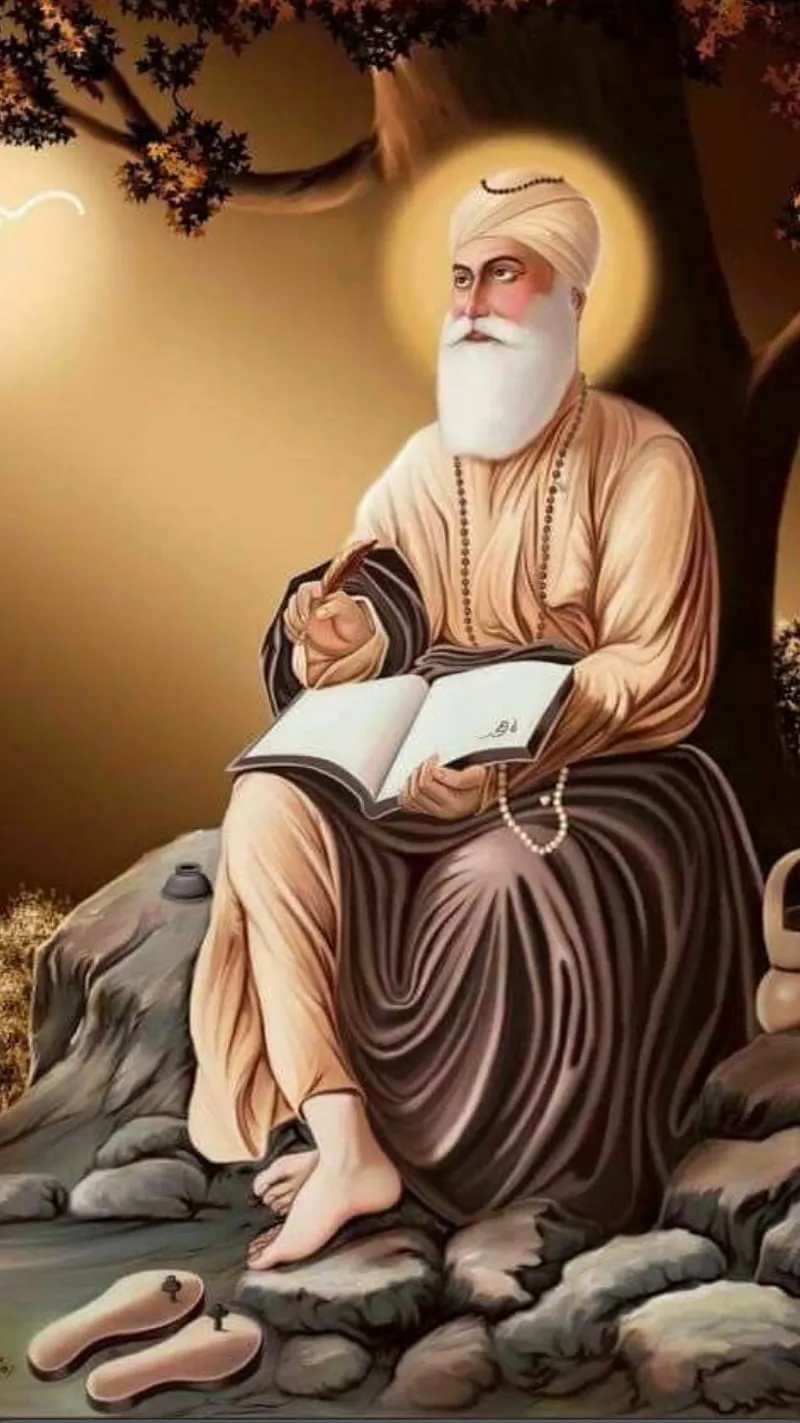
Dhan Sri Guru Nanak Dev Ji Maharaj – Life and History
It is said that when righteousness and goodness come under relentless attack, when evil and unrighteousness are openly promoted, when tyranny, sin, crime, and suffering reach their peak, and when the patience of those enduring oppression is finally exhausted, the Almighty must manifest through a divine being and descend upon the earth.
At such a time, a divine light appears from the heavens to illuminate the world.
Perhaps it was for this very purpose that Sri Guru Nanak Dev Ji descended upon the earth as a manifestation of divine light, illuminating the entire world with spiritual radiance.
Regarding this divine arrival, Bhai Gurdas Ji writes:
ਸੁਣੀ ਪੁਕਾਰਿ ਦਾਤਾਰ ਪ੍ਰਭ ਗੁਰੂ ਨਾਨਕ ਜਗ ਮਾਹਿ ਪਠਾਇਆ ।
ਸਤਿਗੁਰੁ ਨਾਨਕ ਪ੍ਰਗਟਿਆ ਮਿਟੀ ਧੁੰਧ ਜਗ ਚਾਨਣ ਹੋਇਆ ।
The Almighty Lord heard the cries of the world and sent Guru Nanak into it. When Satguru Nanak appeared, the darkness of ignorance disappeared, and the world was filled with divine light.
Bhatt Kirat Ji writes:
ਆਪਿ ਨਾਰਾਇਣ ਕਲਾ ਧਾਰਿ ਜਗ ਮਹਿ ਪਰਵਰਉ
ਨਿਰੰਕਾਰ ਆਕਾਰੁ ਜੋਤਿ ਜਗ ਮੰਡਲ ਕਰਿਯਉ ।।
The Supreme Lord Himself manifested His divine power in the world. The Formless One revealed His divine light through a visible form and illuminated the universe.
Bhai Nand Lal Ji describes Guru Sahib in these words:
ਗੁਰੂ ਨਾਨਕ ਆਮਦ ਨਾਰਾਇਣ ਸਰੂਪ
ਹੁਮਾਨਾ ਨਿਰੰਜਨ ਨਿਰੰਕਾਰ ਰੂਪ ।
Guru Nanak appeared as the embodiment of the Divine, a manifestation of the pure, formless, and eternal Almighty.
This divine light was born in 1469 CE at Rai Bhoi di Talwandi, approximately 40 miles from Lahore, in the home of Mehta Kalu Ji and Mata Tripta Ji.
Today, this sacred birthplace is known as Nankana Sahib. Following the partition of India and Pakistan, it became part of Pakistan.
Guru Sahib's father, Mehta Kalu Ji, held the important position of Patwari, or village revenue official.
He was a respected, well-established, and influential person in his village.
Rai Bhoi was the owner of this village and approximately twenty surrounding villages.
After Rai Bhoi's death, his property and responsibilities were taken over by Rai Bular, a kind-hearted and noble individual who was free from religious jealousy and prejudice.
After Guru Nanak Dev Ji's elder sister, Bebe Nanaki Ji, Rai Bular was the first person to recognize the divine light within Guru Sahib.
He witnessed a field that had been damaged by Guru Sahib's grazing cattle become green and flourishing again.
He also witnessed a cobra spreading its hood to provide shade over the young Guru Nanak Sahib.
Rai Bular heard accounts from Guru Sahib's three teachers about his extraordinary spiritual wisdom.
Even as a young child, Guru Nanak Dev Ji had written the spiritual meanings of the thirty-five letters of the alphabet upon his writing board.
When the Maulvi asked young Nanak about the letter Alif, the answer he received left him astonished.
ਯਕ ਅਰਜ ਗੁਫਤਮ ਪੇਸਿ ਤੋ ਦਰ ਗੋਸ ਕੁਨ ਕਰਤਾਰ
ਹਕ ਕਬੀਰ ਕਰੀਮ ਤੂ ਬੇਐਬ ਪਰਵਦਗਾਰ ।।
O Creator, I place one humble request before You; please listen. You are the True, Great, Merciful, and Flawless Sustainer of all.
At the age of seven, Guru Sahib's father sent him to Pandit Gopal Ji to study Hindi.
He received instruction in Sanskrit from Brij Lal Ji and, at the age of thirteen, was sent to Maulvi Qutbuddin to study Persian.
Even during his childhood, Guru Nanak Dev Ji began showing signs that his arrival in this world had a special and extraordinary purpose.
He asked his teachers profound and challenging questions about worldly education and spiritual knowledge.
At a very young age, he realized that the conventional education of his time alone could not bring true welfare to humanity.
He also understood that business conducted solely for personal profit served no higher purpose.
Providing food to the hungry and helping the poor and needy was the real Sacha Sauda, the True Bargain, and the most meaningful form of trade.
Guru Nanak Dev Ji also fulfilled the responsibilities of family life with great dedication.
He tended buffaloes and worked in regular employment.
However, because the welfare of all humanity remained his highest priority, he refused to confine his life entirely within the boundaries of his home and family.
Through his divine presence and spiritual teachings, Guru Sahib blessed and inspired countless people.
He also engaged in meaningful religious and philosophical discussions with leaders of different traditions, including Brahmins, Pandits, Siddhas, Naths, Yogis, Maulvis, Qazis, Pirs, Walis, Auliyas, and other spiritual figures.
When Guru Nanak Sahib emerged from the River Bein, only one message was upon his lips:
"Neither am I Hindu, nor am I Muslim."
According to this account, the declaration pointed toward the establishment of an independent spiritual community, a vision that was later fulfilled by Sri Guru Gobind Singh Ji through the creation of the Khalsa Panth.
The traditions, principles, and institutions established by Guru Nanak Dev Ji delivered a powerful challenge to the existing Indian social structure, which was deeply influenced by caste distinctions and ideas of superiority and inferiority.
The Siddhas and Yogis considered themselves spiritually superior to ordinary people.
Commenting on their way of life, Guru Sahib questioned them:
"If you possess such a deep understanding of the Divine Name, what is the benefit of sitting in meditation on these high mountains?
Why not live among ordinary people and guide them toward the right path?"
While explaining the greatness and importance of the householder's life, Guru Sahib challenged the belief that those who abandoned family responsibilities were necessarily spiritually superior.
He questioned how idle ascetics who depended upon the earnings and support of householders could consider themselves better than the householders who worked to sustain them.
Guru Nanak Dev Ji possessed an extraordinarily influential personality, and his words carried remarkable power and attraction.
Almost everyone who came into contact with him gradually became convinced of the wisdom and truth contained in his teachings.
Through the principles of Gurmat, Guru Sahib guided countless misguided individuals toward the path of righteousness.
Among them were murderers, thieves, robbers, magicians, women practising magic, and even people described as cannibals.
Through Guru Sahib's spiritual guidance, many abandoned their former ways and embraced lives of honesty, compassion, and devotion.
Some of these transformed individuals eventually became preachers and spread the teachings of Sikhism themselves.
During the final years of his life, Guru Nanak Dev Ji personally engaged in farming.
Through his own example, he demonstrated to the world the importance of earning an honest living through hard work, sharing one's earnings and food with others, and constantly remembering the Almighty.
Guru Sahib did not merely preach these principles to others. He practised them in his own everyday life.
He showed that the true path toward spiritual liberation and the welfare of humanity lies in three fundamental principles:
Kirat Karni — Earning an honest living through sincere work.
Vand Chhakna — Sharing one's earnings and resources with others, especially those in need.
Naam Japna — Remembering and meditating upon the Name of the Almighty.
These principles represent the true path toward both personal spiritual enlightenment and the welfare of all humanity.
(To be continued...)
Join the conversation
Sign in to comment or join the discussion.
Prakash Gurpurab of Sri Guru Nanak Dev Ji – Part 2
Sri Guru Nanak Sahib Ji rejected meaningless rituals, superstitions, hypocrisy, and unnecessary religious customs and traditions. He began this reform from within his own home. When…
Continue in the Nitnama app
Loading comments…