

Janamdin Mata Sahib Kaur ji
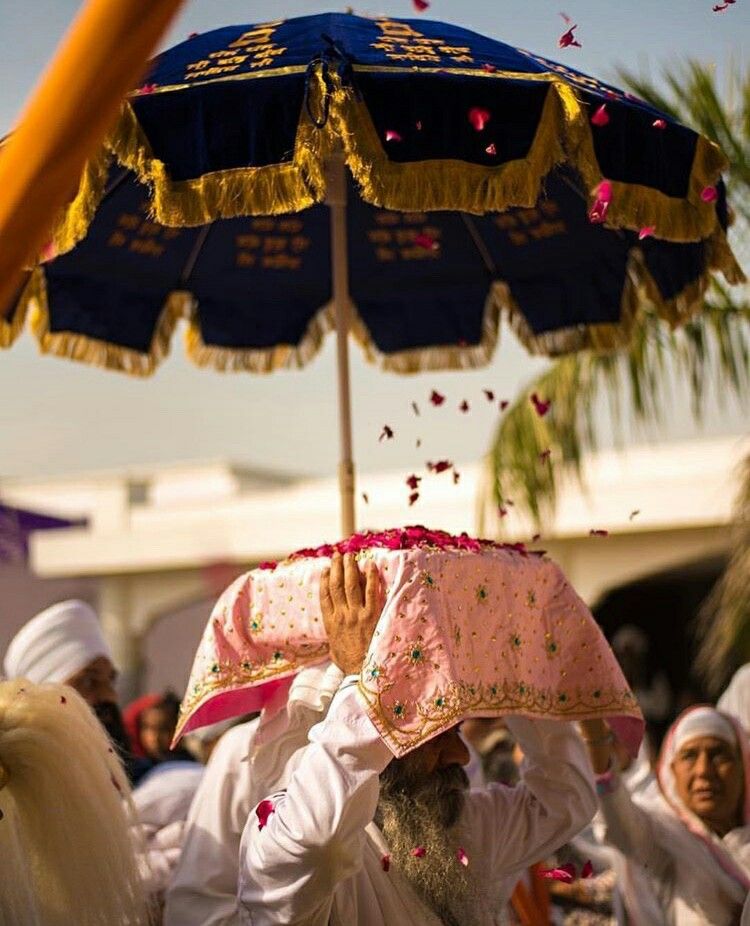
The Life and History of Mata Sahib Kaur Ji — Mother of the Khalsa Panth
When I began writing the history of our revered Mother, a wonderful feeling of happiness and excitement passed through my body.
It felt as though Mata Ji had placed both her hands upon my head and showered me with such immense love and blessings that words could never fully describe them.
Let us learn about and share the sacred history of Mata Sahib Kaur Ji, the revered Mother of the Khalsa Panth.
Birth and Early Life of Mata Sahib Kaur Ji
Bhai Rama Ji belonged to a Bassi Khatri family residing in Rohtas Nagar, District Jhelum.
On 18 Katak, Samvat 1738 Bikrami, a daughter was born to his wife, Mata Jas Devi Ji. The child was named Sahib Devi.
Bibi Sahib Devi Ji was born into a deeply religious family. Growing up in such a spiritual environment, she adopted religious values from an early age and developed a strong commitment to the principles of Gurmat.
She was blessed with a beautiful appearance, a healthy and well-proportioned physique, a radiant face, and a friendly, welcoming personality.
She was loved and respected throughout the town.
She was soft-spoken, cheerful, patient, tolerant, faithful, contented, and humble.
She learned Gurmukhi at home and memorized Japji Sahib, Rehras Sahib, Kirtan Sohila, and several other sacred Shabads.
From childhood, Sahib Devi Ji remained deeply absorbed in devotion to the Almighty.
She constantly practiced Naam Simran and spoke very little.
Whenever the Sikh congregation gathered at the village Dharamshala for Shabad Kirtan and remembrance of the Divine Name, the local Masand would deliver religious teachings.
Bibi Sahib Devi Ji prepared langar for the congregation, served food, washed utensils, and swept and cleaned the premises.
The entire congregation supported one another in times of happiness and sorrow.
Devotees of the Sikh Gurus, from the time of the First Guru to the period of Sri Guru Gobind Singh Ji, had been associated with this town.
The congregation from this region had previously travelled to Sri Anandpur Sahib to receive the darshan of Dashmesh Pita Sri Guru Gobind Singh Ji.
It is possible that Sahib Devi Ji had also received Guru Sahib Ji's darshan during one of these visits.
The Proposal to Establish a Relationship with Sri Guru Gobind Singh Ji
When Bibi Sahib Devi Ji reached adulthood, her father, Bhai Rama Ji, found it difficult to find a suitable husband for a daughter who possessed such a high spiritual character.
During those times, Sikh families considered it a great blessing and a matter of good fortune to establish a family relationship with the Guru's household.
With this thought in mind, Bhai Rama Ji consulted his wife and other relatives.
After discussion, he decided to propose a matrimonial relationship between his daughter, Bibi Sahib Devi Ji, and Sri Guru Gobind Singh Ji.
When her parents informed Sahib Devi Ji about their intention, she agreed.
One day, when the Sikh congregation gathered at the village Dharamshala for Shabad Kirtan, Bhai Rama Ji stood before everyone with folded hands.
He humbly said:
"The entire congregation is worthy of the respect given to the Guru. This humble servant requests all of you to offer an Ardas with one mind, praying that my daughter Sahib Devi may be joined in marriage to Sri Guru Gobind Singh Ji."
The entire congregation was both surprised and delighted.
They felt that such a relationship would establish a direct connection between the Sikh congregation of Pothohar and the Guru's household.
Everyone joyfully offered the Ardas.
The congregation then began preparing to travel to Anandpur Sahib to present Bhai Rama Ji's request before Guru Sahib Ji.
Each Sikh collected their contribution of Dasvandh, and the group set out on the journey.
Bhai Rama Ji, accompanied by his relatives and the congregation, carried wedding clothes, ornaments, and other necessary items.
Travelling together while singing sacred Shabads, they eventually reached Sri Anandpur Sahib.
Presenting the Proposal Before Guru Sahib Ji
Upon arriving at Anandpur Sahib, Bhai Rama Ji and the congregation deposited their Dasvandh with Diwan Bhai Bhagwan Singh Ji.
They also explained their intentions to Bhai Mani Singh Ji, who was present nearby.
Both Bhai Bhagwan Singh Ji and Bhai Mani Singh Ji assured Bhai Rama Ji that they would present the matrimonial proposal before Guru Sahib Ji.
The following morning, while Guru Sahib Ji was resting, Bhai Rama Ji stood before him with folded hands and a cloth placed around his neck as a symbol of humility.
The entire congregation accompanying him also stood silently with folded hands.
Guru Sahib Ji, who understood the inner feelings of everyone, asked why they were standing in that manner.
Bhai Mani Singh Ji then acted as an intermediary.
With folded hands, he said:
"O Master of the spiritual and worldly realms! This congregation has come to request that the daughter of Bhai Rama Ji, Sahib Devi, be joined in marriage with Your Holiness."
Guru Sahib Ji remained silent for some time.
He then said:
"Since the time of preparing Amrit, I have adopted a vow of celibacy. Therefore, I am unable to enter into a marital relationship with her."
Bhai Santokh Singh Ji recorded this statement in poetic form, explaining that Guru Sahib Ji had given up marital relations and firmly devoted his mind to celibacy.
Upon hearing these words, Bhai Rama Ji and the congregation from Pothohar became deeply disappointed.
Seeing their sorrow, Bhai Bhagwan Singh Ji and Bhai Mani Singh Ji once again humbly appealed to Guru Sahib Ji.
They said:
"O Protector of the humble! Your vow of celibacy is entirely proper, but please also consider the Ardas this congregation offered before leaving their village."
"They have travelled such a great distance with complete faith and devotion toward you."
"Please grant their daughter a place at your feet and provide comfort to their hearts."
Bhai Rama Ji also pleaded with deep humility:
"Maharaj! Please find some way to fulfill our request."
Finally, Guru Sahib Ji accepted the prayer of Bhai Rama Ji and the congregation, but on one condition.
He declared that Sahib Devi Ji could reside within the Guru's household as a maiden bride, but there would be no worldly marital relationship between them.
Kesar Singh Chhibber also described this arrangement in his writings.
The Anand Karaj of Mata Sahib Kaur Ji
Upon hearing Guru Sahib Ji's decision, Bhai Rama Ji and the congregation became overjoyed.
Congratulations began pouring in for Bhai Rama Ji and Mata Jas Devi Ji.
Guru Sahib Ji first instructed Sahib Devi Ji, her parents, and the congregation to receive Amrit.
They all accepted Amrit.
Following this, Sahib Devi Ji became known as Sahib Kaur and was welcomed into the Guru's household.
According to the account, Mata Sahib Kaur Ji was approximately 19 years old at that time, while Guru Gobind Singh Ji was 34 years old.
Before the Anand Karaj, Mata Sahib Kaur Ji was dressed as a bride.
All relatives and members of the congregation were filled with happiness.
On 18 Vaisakh, Samvat 1757 Bikrami, Bhai Ram Koer Ji, also identified as Gurbakhsh Singh Ji and described as the great-grandson of Baba Budha Ji, performed the Anand Karaj ceremony of Guru Sahib Ji and Mata Sahib Kaur Ji according to the complete Sikh religious tradition.
After the ceremony, Mata Gujri Kaur Ji took her daughter-in-law, Mata Sahib Kaur Ji, to live permanently within the Guru's household.
The congregation remained at Anandpur Sahib for approximately one month.
After receiving Guru Sahib Ji's blessings, they took permission to return to their homes.
However, Mata Sahib Kaur Ji's brother, Sahib Singh Ji, remained at Anandpur Sahib and devoted himself to Guru Sahib Ji's service.
Mata Sahib Kaur Ji's Life in the Guru's Household
After entering the Guru's household, Mata Sahib Kaur Ji won the hearts of Mata Gujri Kaur Ji and Mata Sundar Kaur Ji through her gentle speech, affectionate personality, humility, and friendly nature.
Along with performing household duties, she voluntarily accepted responsibility for caring for the Sahibzadas.
She raised them with immense affection and showered them with motherly love.
Following the habits she had developed in childhood, Mata Sahib Kaur Ji rose early during Amrit Vela, bathed, and recited her memorized Nitnem prayers.
She then brought water and helped Mata Gujri Kaur Ji with her bath.
After completing this seva, she attended to the other household responsibilities.
Mata Sahib Kaur Ji made a personal vow that she would not eat anything until she had received Guru Sahib Ji's darshan.
Out of affection for her devotion, Guru Sahib Ji made sure to visit the household at least once every morning.
The historical account describes her devotion by stating that if, for any reason, she could not receive Guru Sahib Ji's darshan, she would not eat that day.
The family life of Mata Sahib Kaur Ji and Guru Sahib Ji represented an ideal example of spiritual and selfless love.
Mata Ji always placed Guru Sahib Ji above everything else.
She continually prayed for his happiness, well-being, and Chardi Kala.
She had arranged a special bed within the household where Guru Sahib Ji could rest.
Whenever Guru Sahib Ji visited, he would first respectfully bow at the feet of Mata Gujri Kaur Ji and then sit upon the bed.
Mata Sahib Kaur Ji would then perform the seva of gently massaging Guru Sahib Ji's feet and legs.
Mata Sahib Kaur Ji Becomes the Mother of the Khalsa
One day, while Mata Sahib Kaur Ji was performing her daily seva, she appeared unusually restless.
Something was troubling her heart.
Guru Sahib Ji, understanding her inner feelings, asked:
"O noble woman! Whatever is in your heart, speak openly. Do not hesitate."
With tears in her eyes, Mata Sahib Kaur Ji humbly requested:
"Maharaj! Please bless this humble servant with a son as well."
Guru Sahib Ji replied:
"From this day onward, we place the Khalsa in your lap. This son of yours will continue to live through the ages."
Thus, Sri Guru Gobind Singh Ji blessed Mata Sahib Kaur Ji by entrusting the entire Khalsa Panth to her as her spiritual children.
She became the Mother of the Khalsa for all time.
For this reason, during the ceremony of Amrit Sanchar, those receiving Amrit are traditionally told that their spiritual father is Sri Guru Gobind Singh Ji, their mother is Mata Sahib Kaur Ji, and their place of spiritual birth is Anandpur Sahib.
As the Mother of the Khalsa Panth, Mata Sahib Kaur Ji received immense respect throughout the Sikh world.
She began nurturing within her spiritual children all the noble qualities she had practiced since childhood.
These included self-discipline, faith, contentment, patience, tolerance, seva, simran, fearlessness, humility, moral conduct, charity, justice, and obedience to righteous principles.
According to the account, the Khalsa also adopted the high moral standards practiced by its spiritual mother.
The author refers to Nooruddin, a writer described as hostile toward the Sikhs, who nevertheless acknowledged their moral conduct.
Although he used a derogatory expression when referring to the Sikhs, he reportedly wrote that they treated even the mothers and daughters of their enemies as their own mothers and daughters.
He further stated that immoral behavior and sexual misconduct were absent from their conduct.
He also described them as warriors who did not attack enemies who were fleeing, wounded, or asleep.
Separation of the Guru's Family After Leaving Anandpur Sahib
When Sri Guru Gobind Singh Ji left Anandpur Sahib, the Guru's family became separated into three groups near the banks of the River Sarsa.
Guru Gobind Singh Ji and the elder Sahibzadas proceeded toward Chamkaur.
Mata Gujri Kaur Ji and the younger Sahibzadas went with Gangu.
Mata Sahib Kaur Ji and Mata Sundar Kaur Ji crossed the River Sarsa and travelled toward Delhi.
They were accompanied by Bhai Mani Singh Ji, Bhai Dhanna Singh Ji, and Bhai Jawahar Singh Ji, who belonged to Delhi.
Upon reaching Delhi, the local Sikh congregation arranged accommodation for them at Kucha Dilwali near Ajmeri Gate.
Later, they moved into a mansion built of red stone.
While living in Delhi, both Matas remained deeply concerned about the safety and well-being of the Guru's family.
Eventually, they received the heartbreaking news of the martyrdom of Mata Gujri Kaur Ji and the younger Sahibzadas.
Accepting this tragic event as the Divine Will, they instructed Bhai Jawahar Singh Ji to arrange a religious recitation and Bhog in memory of the martyrs.
Meeting Guru Sahib Ji at Talwandi Sabo
When the Matas learned that Sri Guru Gobind Singh Ji had reached Talwandi Sabo, they decided to travel there to meet him.
According to Giani Gian Singh Ji, Mata Sundar Kaur Ji, Mata Sahib Kaur Ji, and Kirpal Singh Ji arranged carriages and travelled toward Talwandi accompanied by Bhai Mani Singh Ji.
Upon arriving there, the memories of Mata Gujri Kaur Ji and the Sahibzadas filled their eyes with tears.
They asked Guru Sahib Ji about the sons.
Guru Sahib Ji consoled them by pointing toward the Sikhs and saying:
"In Putran Ke Sees Par Vaar Diye Sut Chaar.
Chaar Mooe To Kya Bhaya, Jeevat Kai Hazaar."
The meaning of these words is:
"For the sake of these sons, I sacrificed my four beloved sons. What does it matter if four have attained martyrdom when thousands of my sons are still alive?"
When the Matas arrived, Guru Sahib Ji instructed Bhai Dalla Ji to arrange tents for their accommodation.
However, Bhai Dalla Ji respectfully offered them comfortable accommodation in his large mansion.
The Matas declined the comforts of the mansion.
Instead, they chose to spread their bedding upon the ground and remain close to Guru Sahib Ji.
Bhai Santokh Singh Ji also recorded this incident in his historical writings.
A Gurdwara was later established in memory of the Matas at the place where their tents had been pitched.
Today, Talwandi Sabo is widely known as Sri Damdama Sahib.
The Preparation of the Adi Granth at Damdama Sahib
According to the account, Guru Gobind Singh Ji directed Bhai Mani Singh Ji to prepare a copy of the Adi Granth at this sacred place.
The Bani of the Ninth Guru, Sri Guru Tegh Bahadur Sahib Ji, was also incorporated according to the relevant Ragas.
Bhai Deep Singh Ji performed the seva of preparing writing pens, ink, and paper.
At the same place, Guru Sahib Ji explained the meanings and interpretations of the Adi Granth to Bhai Deep Singh Ji, Bhai Mani Singh Ji, and other devoted Sikhs.
A religious educational institution was established for this purpose.
It became known as the Taksaal.
Guru Sahib Ji remained at Damdama Sahib for approximately ten months.
During that period, the use of tobacco, opium, and other intoxicating substances was widespread in the Malwa region.
Guru Sahib Ji organized groups of Sikh preachers and encouraged religious education at the village level.
As a result, the teachings and influence of Sikhism spread further throughout the region.
Both Mata Sahib Kaur Ji and Mata Sundar Kaur Ji remained near Guru Sahib Ji and continued performing various forms of seva.
They helped arrange the necessary facilities and services for the congregation.
The Zafarnama and the Events Involving Bahadur Shah
From Damdama Sahib, Sri Guru Gobind Singh Ji wrote the Zafarnama, meaning the Letter of Victory, addressed to Emperor Aurangzeb.
The letter was delivered to Aurangzeb in the Deccan through Bhai Daya Singh Ji and Bhai Dharam Singh Ji.
The Zafarnama described the actions of Aurangzeb's officials and the atrocities committed against the Sikhs.
After reading the letter, Aurangzeb sent an invitation for Guru Sahib Ji to meet him.
Guru Sahib Ji then entrusted responsibility for the Taksaal to Bhai Deep Singh Ji.
He sent Mata Sahib Kaur Ji and Mata Sundar Kaur Ji toward Delhi, accompanied by Bhai Mani Singh Ji and Bhai Sahib Singh Ji.
Guru Sahib Ji himself began travelling toward the south.
However, when he reached Rajasthan, he received news of Aurangzeb's death.
Instead of continuing farther south, Guru Sahib Ji proceeded toward Delhi.
Following Aurangzeb's death, a struggle for the Mughal throne began among his sons.
Bahadur Shah had heard many accounts of the bravery and courage of the Sikhs.
He approached Guru Gobind Singh Ji and requested his assistance.
According to the account, Guru Sahib Ji agreed to support Bahadur Shah under four conditions:
1. Sikhs and Hindus should receive rights equal to those enjoyed by Muslims.
2. Justice should be available to every individual.
3. No interference should occur in the religious freedom of any faith.
4. Those responsible for atrocities against innocent Sikhs should be punished.
After these conditions were accepted, Guru Sahib Ji supported Bahadur Shah.
According to the narrative, during the Battle of Jajau, Bahadur Shah's brother Azam was killed by an arrow shot by Guru Sahib Ji.
The victory enabled Bahadur Shah to become the Emperor of Delhi.
After the battle, Bahadur Shah invited Guru Sahib Ji to accompany him to Delhi.
Guru Sahib Ji was received with great respect as a royal guest.
When the Sikh congregation in Delhi learned that Guru Sahib Ji had arrived as an honoured royal guest, they became extremely happy.
Both Matas were also filled with joy.
Accompanied by Bhai Mani Singh Ji and Bhai Sahib Singh Ji, they went to receive Guru Sahib Ji's darshan.
Sikhs from throughout Delhi began gathering in large numbers to meet Guru Sahib Ji.
An atmosphere of happiness, devotion, and celebration developed.
Some time later, Bahadur Shah received news that his brother had raised a rebellion in the south.
He persuaded Guru Sahib Ji to accompany him on another journey to the Deccan.
This news saddened the congregation and both Matas.
They did not wish to be separated from Guru Sahib Ji again.
Mata Sahib Kaur Ji's Journey to Nanded
At the insistence of Mata Sahib Kaur Ji, Guru Sahib Ji allowed her to accompany him.
Mata Bhag Kaur Ji, also known as Mai Bhago of Jhabal and remembered as the Living Martyr, joined the journey.
Mata Sahib Kaur Ji's brother, Sahib Singh Ji, and Bhai Mani Singh Ji also accompanied the group.
The party departed from Delhi and continued spreading the teachings of Sikhism along the way.
They travelled through Bharatgarh, Bindra Bann, Mathura, Agra, Indore, Nagpur, Amravati, and Hingoli before eventually reaching Nanded.
Wherever groups of women gathered during the journey, Mata Sahib Kaur Ji taught them about Sikhism and encouraged them to follow the principles of Gurmat.
According to the account, a Gurdwara dedicated to Mata Sahib Kaur Ji stands near the banks of the Godavari River at Nanded.
While staying there, Mata Ji rose during Amrit Vela, bathed, recited Nitnem, and arranged langar for the entire congregation.
Kirtan was performed regularly, creating a deeply spiritual atmosphere.
The account also states that young Jassa Singh Ahluwalia had travelled there with the congregation.
He is described as delighting the devotees through his sweet and melodious Kirtan.
According to the same narrative, Guru Sahib Ji blessed him with the responsibility of serving the Sikh Panth in the future.
Guru Gobind Singh Ji's Final Instructions to Mata Sahib Kaur Ji
As Sri Guru Gobind Singh Ji sensed that his final moments were approaching, he gave Mata Sahib Kaur Ji important spiritual instructions while partaking of langar prepared by her.
Guru Sahib Ji said:
"Maintain complete faith in Akal Purakh. Practice Naam Simran every day, and dedicate the remaining years of your life to the Chardi Kala of your son, the Khalsa."
Mata Sahib Kaur Ji wished to remain with Guru Sahib Ji until the very end.
She did not want to experience separation from him.
She humbly asked:
"Maharaj! How will this humble servant receive your darshan after we are separated?"
After Mata Ji repeatedly expressed this concern, Guru Sahib Ji entrusted five sacred weapons to her.
He instructed:
"Preserve these weapons with the utmost respect and reverence. After bathing, performing your prayers, and remembering the Almighty, meditate upon these weapons and remember us. You will certainly receive our darshan."
Guru Sahib Ji also handed over a personal seal bearing his name.
The authority to use that seal was granted exclusively to Mata Sahib Kaur Ji.
The five weapons are described as a Kirpan, a dagger, a Jamdhar, and two Khandas.
According to the article, these sacred weapons are now preserved at Takht Sri Kesgarh Sahib, Anandpur Sahib.
Mata Sahib Kaur Ji Returns to Delhi
Guru Sahib Ji arranged for Mata Sahib Kaur Ji to travel in one palanquin.
The five sacred weapons were placed in another palanquin.
The account also mentions five arrows associated with Baba Banda Singh Bahadur Ji being placed with the weapons.
Mama Kirpal Singh Ji, Bhai Sahib Singh Ji, young Jassa Singh Ahluwalia, and Bhai Mani Singh Ji were sent with Mata Ji toward Delhi as part of the congregation.
When Mata Sahib Kaur Ji returned to Delhi, Mata Sundar Kaur Ji and the Sikh congregation came forward to welcome her warmly.
Mata Sahib Kaur Ji shared many incidents and experiences from her time with Guru Gobind Singh Ji.
The congregation listened with great devotion and happiness.
Sikhs from all over Delhi came to Mata Sahib Kaur Ji to hear more about Guru Sahib Ji.
Religious gatherings became frequent, and Satsang continued regularly.
The article also describes the congregation enjoying the sweet and melodious Kirtan performed by young Jassa Singh Ahluwalia.
The News of Guru Gobind Singh Ji's Joti Jot
Eventually, the heartbreaking day arrived when the news of Sri Guru Gobind Singh Ji's Joti Jot reached both Matas and the Sikh congregation in Delhi.
They also learned that Guru Sahib Ji had bestowed the eternal Guruship upon Sri Guru Granth Sahib Ji.
Upon hearing this devastating news, tears began flowing continuously from Mata Sahib Kaur Ji's eyes.
She entered a deep state of meditation and grief.
For several days, she consumed almost no food.
Her body became weak and frail.
Bhai Santokh Singh Ji recorded that Mata Sahib Kaur Ji had become extremely weak and that Mata Sundari Ji repeatedly tried to comfort her and persuade her to eat.
Despite these efforts, she continued taking very little food.
Although Mata Sahib Kaur Ji herself ate very little, she never neglected the care and welfare of the Sikh congregation.
She remained constantly absorbed in seva and simran.
She continued arranging and maintaining Guru Ka Atut Langar, ensuring that food was always available for those who needed it.
Mata Sahib Kaur Ji's Service to the Khalsa Panth
According to the account, both Matas made an important contribution by arranging for Bhai Mani Singh Ji to collect the compositions of Sri Guru Gobind Singh Ji and compile the Dasam Granth.
The author describes this as a great service to the Khalsa Panth that should never be forgotten.
Bhai Mani Singh Ji was subsequently appointed Head Granthi of Sri Harmandir Sahib.
He continued performing this service until the final period of his life.
In recognition of Guru Gobind Singh Ji's assistance to Bahadur Shah, the emperor had granted land revenues and financial support to both Matas.
However, when Baba Banda Singh Bahadur Ji began taking action against those responsible for atrocities against the Sikhs, the emperor started pressuring the Matas.
Bahadur Shah wanted them to instruct Baba Banda Singh Bahadur Ji to stop his campaign against Sirhind.
According to the account, this campaign was connected with one of the conditions Guru Sahib Ji had placed before Bahadur Shah when agreeing to support him.
Mata Sahib Kaur Ji sent a fearless reply to the emperor:
"Everything is taking place according to the Will of God. We cannot interfere with the Will of Allah."
Upon receiving this firm and courageous response, the emperor became furious.
He withdrew the financial grants previously given to the Matas, attempting to stop the operation of their langar.
At the same time, the persecution and killing of Sikhs began in Delhi.
When the Matas received news of the suffering and deaths of Sikhs, they became deeply distressed and concerned.
Leaving Delhi for Mathura and Jaipur
Seeing the dangerous conditions and increasing persecution of Sikhs in Delhi, the Matas decided to leave the city along with their Sikh companions.
They travelled toward Mathura.
Before leaving, Mata Sahib Kaur Ji entrusted Guru Sahib Ji's five sacred weapons to Bhai Jawahar Singh Ji.
From Mathura, both Matas travelled to the court of the Raja of Jaipur.
According to the article, Sri Guru Gobind Singh Ji had stayed with this Raja during his journey to Nanded, and the Raja had served Guru Sahib Ji with great devotion.
The Raja welcomed the Matas with immense respect and hospitality.
He arranged for a beautiful residence to be built for them near the banks of the Yamuna River.
He also granted the revenues of two villages to meet their living expenses.
Raja Jai Singh appointed female attendants and other servants to ensure that the Matas would not experience any hardship.
The Matas stayed there for several years.
The location is described as being remembered by the name "Matawan Di Haveli" or "The Mansion of the Mothers."
When Muhammad Shah Rangila ascended the Mughal throne and conditions improved somewhat, both Matas returned to Delhi.
They began living at the mansion of Bhai Jawahar Singh Ji near Turkman Gate.
The two Matas lived together with great affection and mutual respect.
They carefully considered matters concerning the Khalsa Panth and gave guidance with patience, wisdom, and sound judgment.
Hukamnamas Issued by Mata Sahib Kaur Ji
Guru Gobind Singh Ji had entrusted his personal seal to Mata Sahib Kaur Ji for a special purpose.
Mata Ji fulfilled this responsibility with remarkable wisdom, dedication, and foresight.
She provided suitable leadership to the Khalsa Panth and guided the Sikh community toward Chardi Kala.
According to historian Dr. Ganda Singh, Mata Sahib Kaur Ji issued nine Hukamnamas.
These documents demonstrate her role and authority as the Mother of the Khalsa.
The Hukamnamas addressed important matters such as collecting contributions, maintaining langar, constructing wells for public welfare, and assisting daughters of poor families.
In her Hukamnamas, Mata Ji addressed the Sikhs using affectionate expressions such as "Putro" (sons), "You are my sons," and the Persian word "Farzand," meaning son.
She encouraged them to remember the Guru and earn their livelihood through honest labour.
Her messages included blessings for prosperity through the work of their own hands.
One Hukamnama suggests that a mischievous Masand had attempted to create differences between the two Matas.
Mata Sahib Kaur Ji strongly condemned this attempt and instructed the Sikhs to regard the Guru's household as one.
The article quotes a Hukamnama addressed to the families of Bhai Dauna, Bhai Sabha, and Bhai Ala.
In that message, Mata Ji questioned why they had stopped sending offerings for langar.
She asked whether they had begun considering themselves followers exclusively of Mata Sundari Ji.
She reminded them that the Guru's household must always be regarded as one.
The article identifies this reference as Hukamnama No. 74, page 209, of a collection of Hukamnamas.
In another Hukamnama, Mata Ji instructed Sikhs to arrange a Hundi, a traditional financial remittance, for eleven rupees to support langar expenses.
This message was addressed to the Sikhs of Naushera Pannuan, located approximately twelve miles from Tarn Taran.
The Hukamnama requested a contribution of eleven rupees toward the cost of langar.
It also referred to religious offerings, vows, and Dasvandh.
Another Hukamnama was addressed to Bhai Alam Singh, a Jamaitdar.
In that message, Mata Ji blessed him with success in Deg and Teg, representing charitable provision and righteous strength.
She instructed him to collect contributions from the Singhs and send the amount through a Hundi as soon as the request for langar support was received.
Through these Hukamnamas, Mata Sahib Kaur Ji continued the great tradition of langar associated with Mata Khivi Ji.
As the Mother of the Khalsa Panth, she maintained the congregation's connection with the Guru's household.
She continued guiding the Sikh community through difficult times and helping the Panth remain united and spiritually strong.
The Final Days of Mata Sahib Kaur Ji
When Mata Sahib Kaur Ji sensed that her final moments were approaching, she first entrusted the five sacred weapons of Guru Gobind Singh Ji to Mata Sundari Ji, whom she regarded as her sister.
Afterward, she bathed and dressed in white clothing.
She focused her mind upon the sacred feet of Guru Sahib Ji and entered deep meditation.
Some time later, Mata Sundar Kaur Ji realized that Mata Sahib Kaur Ji had departed from the mortal world and merged with the Divine.
The date was the Ekadashi of the month of Magh, Samvat 1804 Bikrami.
According to the article, Mata Sahib Kaur Ji was 66 years old at the time.
She had endured 39 years of separation from Sri Guru Gobind Singh Ji.
Under the instructions of Mata Sundari Ji, a funeral pyre was prepared near the memorial shrine of Sri Guru Har Krishan Sahib Ji.
Mata Sahib Kaur Ji's mortal remains were respectfully placed in a beautifully decorated funeral bier.
The Sikh congregation accompanied the procession while performing Shabad Kirtan with the sounds of traditional musical instruments.
With tear-filled eyes, Mata Sundari Ji personally lit the funeral pyre of the last remaining member of her family mentioned in the account.
Before this, she had not been able to personally perform the final rites of other members of the Guru's family.
After the cremation, Mata Sundari Ji arranged a religious recitation and Bhog in memory of Mata Sahib Kaur Ji.
The Extraordinary Legacy of Mata Sahib Kaur Ji
The entire life of Mata Sahib Kaur Ji represented the highest ideals of seva, simran, faith, patience, tolerance, obedience, generosity, moral purity, and self-discipline.
She devoted her life to nurturing these noble qualities within her spiritual children, the Khalsa Panth.
Her life is described as extraordinary and unparalleled.
According to the author, it is difficult to find another example of a woman who lived a life of complete spiritual discipline and celibacy while remaining devoted to serving her husband, and who later carried forward his mission with such unwavering determination after his passing.
The author considers this a unique honour bestowed upon the Mother of the Khalsa.
Mata Sahib Kaur Ji had only seven years in which to serve Guru Gobind Singh Ji in his physical presence.
However, she spent another 39 years preserving the sacred weapons entrusted to her, enduring separation from Guru Sahib Ji, and fulfilling the immense responsibilities placed upon her.
Her virtues of faith, contentment, self-restraint, purity, devotion, and service became guiding ideals for the Khalsa Panth.
O revered Mother of the Khalsa Panth, with folded hands we offer our deepest respect and salutations to you.
ਵਾਹਿਗੁਰੂ ਜੀ ਕਾ ਖਾਲਸਾ ॥ ਵਾਹਿਗੁਰੂ ਜੀ ਕੀ ਫਤਹਿ ॥
Join the conversation
Sign in to comment or join the discussion.

Loading comments…